
Useful light
The distribution supports parking, manoeuvring, walking to entrances and recognising the layout of the site instead of maximising lumens outside the area that matters.
Commercial parking lot lighting uses pole-mounted area luminaires or projectors to support vehicle manoeuvring, pedestrian movement and site orientation with controlled glare and uniform coverage.
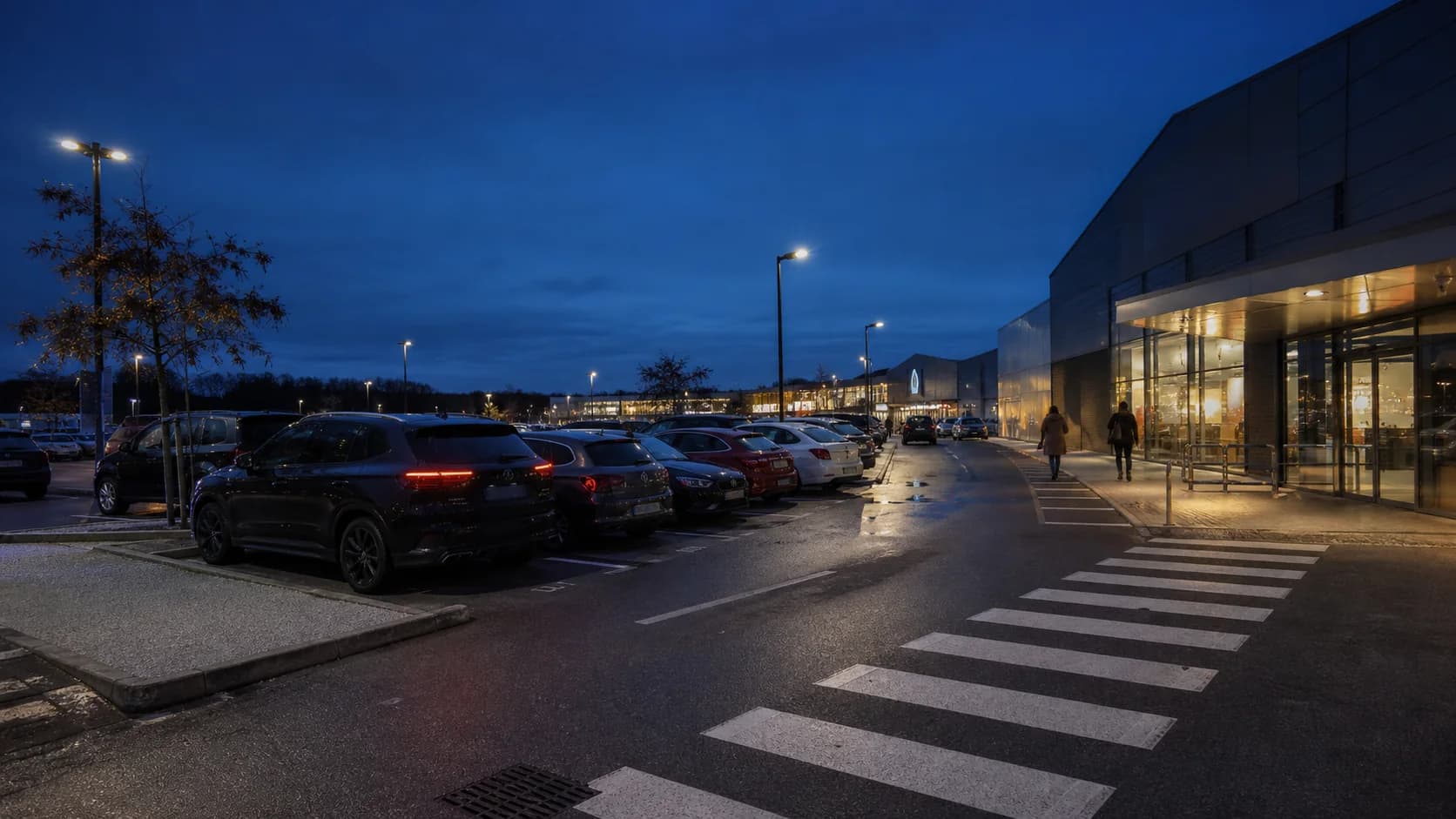
Application pages
Start by confirming the site types that belong on this path and the cases that need a different solution.
Outdoor area lighting
A useful specification balances visual performance, reliability, operating cost and the realities of installation.
The distribution supports parking, manoeuvring, walking to entrances and recognising the layout of the site instead of maximising lumens outside the area that matters.
Position, optics and aiming account for users and drivers entering the site, pedestrians and adjacent homes or roads.
Controls, environmental conditions and maintenance access are part of selection rather than an afterthought after pricing.
The result connects targets, visible assumptions, the proposed variant and evidence the project team can check.
Commercial investigation · outdoor LED lighting
These are the decisions that shape fixture selection, photometric work and the final quote assumptions.
| Design criteria | Design approach |
|---|---|
| Parking plan | Use final bays, circulation, ramps, entrances, crossings, landscaping and pedestrian desire lines as calculation geometry. |
| Pole options | Test perimeter and internal locations, height, setback and vehicle-impact risk before selecting distribution and quantity. |
| Uniformity | Avoid isolated bright pools that leave vehicles and walking routes separated by dark zones. |
| Glare and boundary | Check driver approach directions, nearby roads, windows and property lines when setting optics and aiming. |
| Controls | Operating hours, closing periods, security scenes and occupancy can support staged output if minimum safe conditions remain. |
Design criteria
Use these comparisons to narrow the system direction before choosing an individual model.
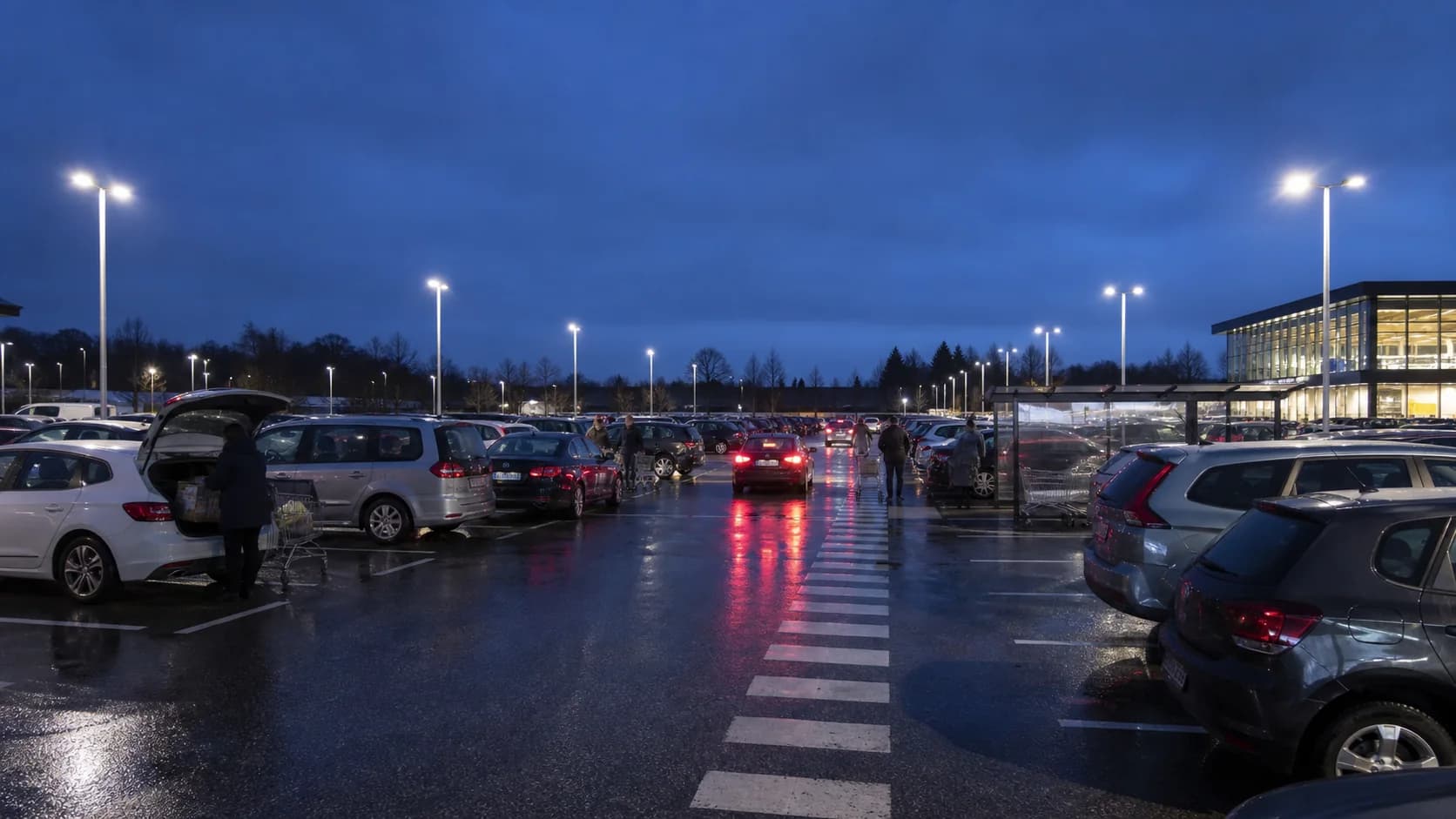
Design criteria
Applicable targets depend on the country, site and project class. Final compliance must be checked against the current project brief and calculation.
Explore the solution family
Published DinaLED models are shown only where the current product data supports this application direction.
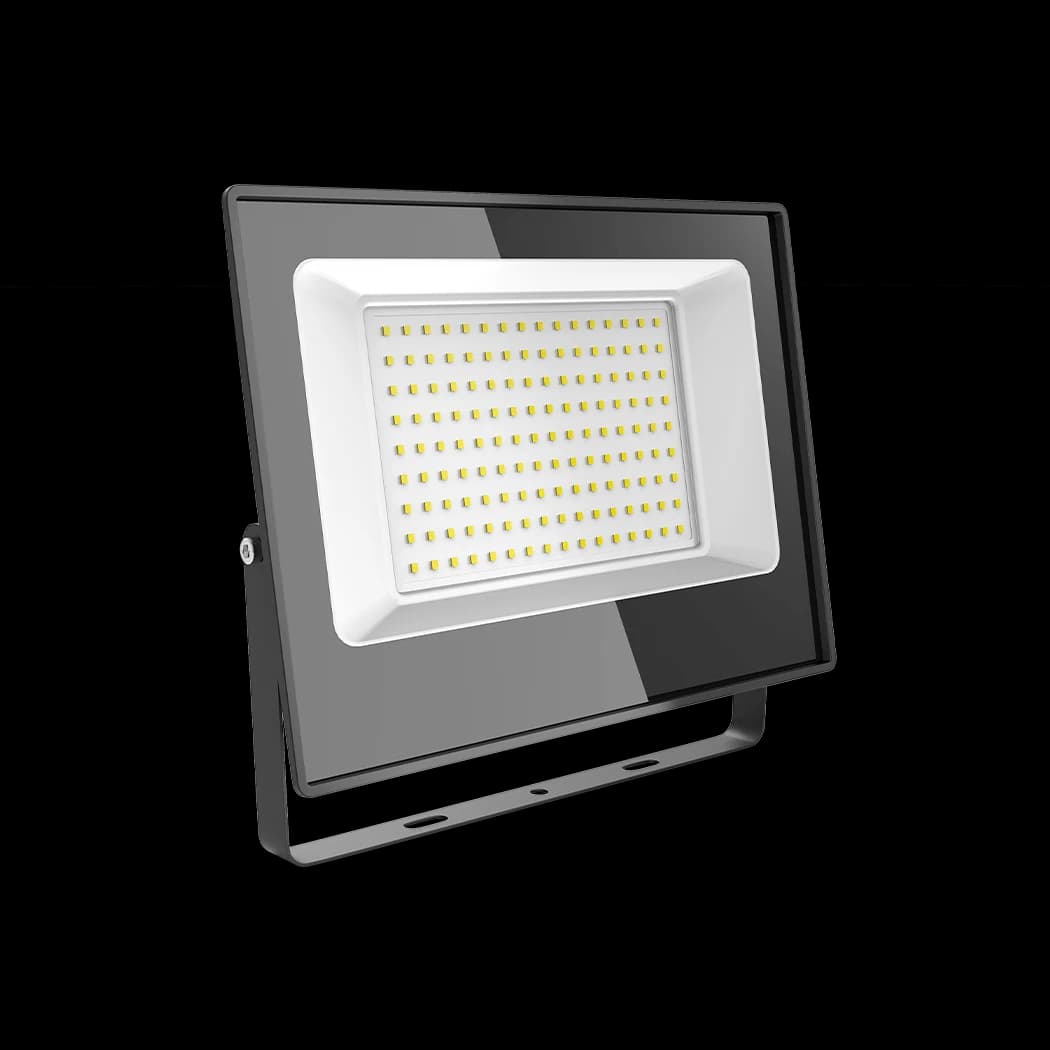 flood-lights
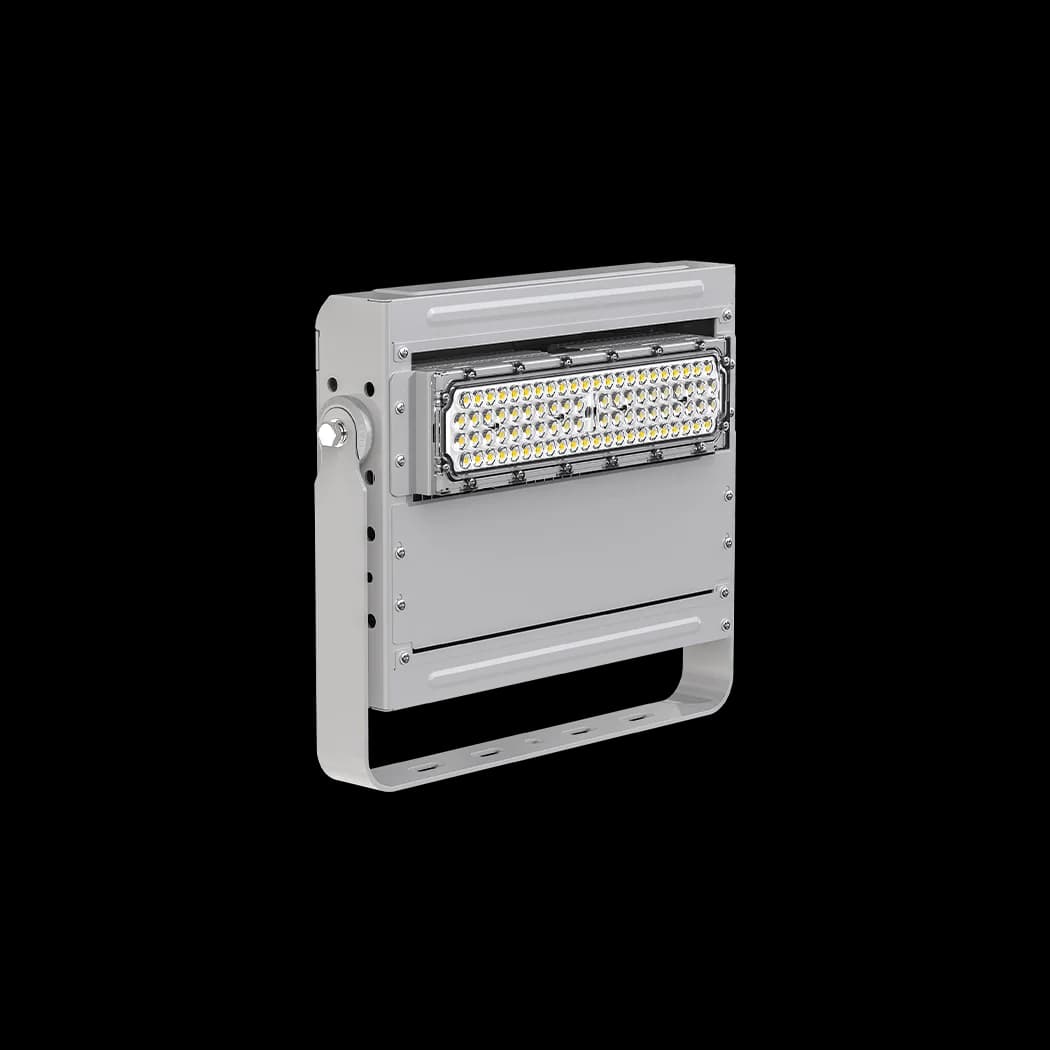 flood-lights
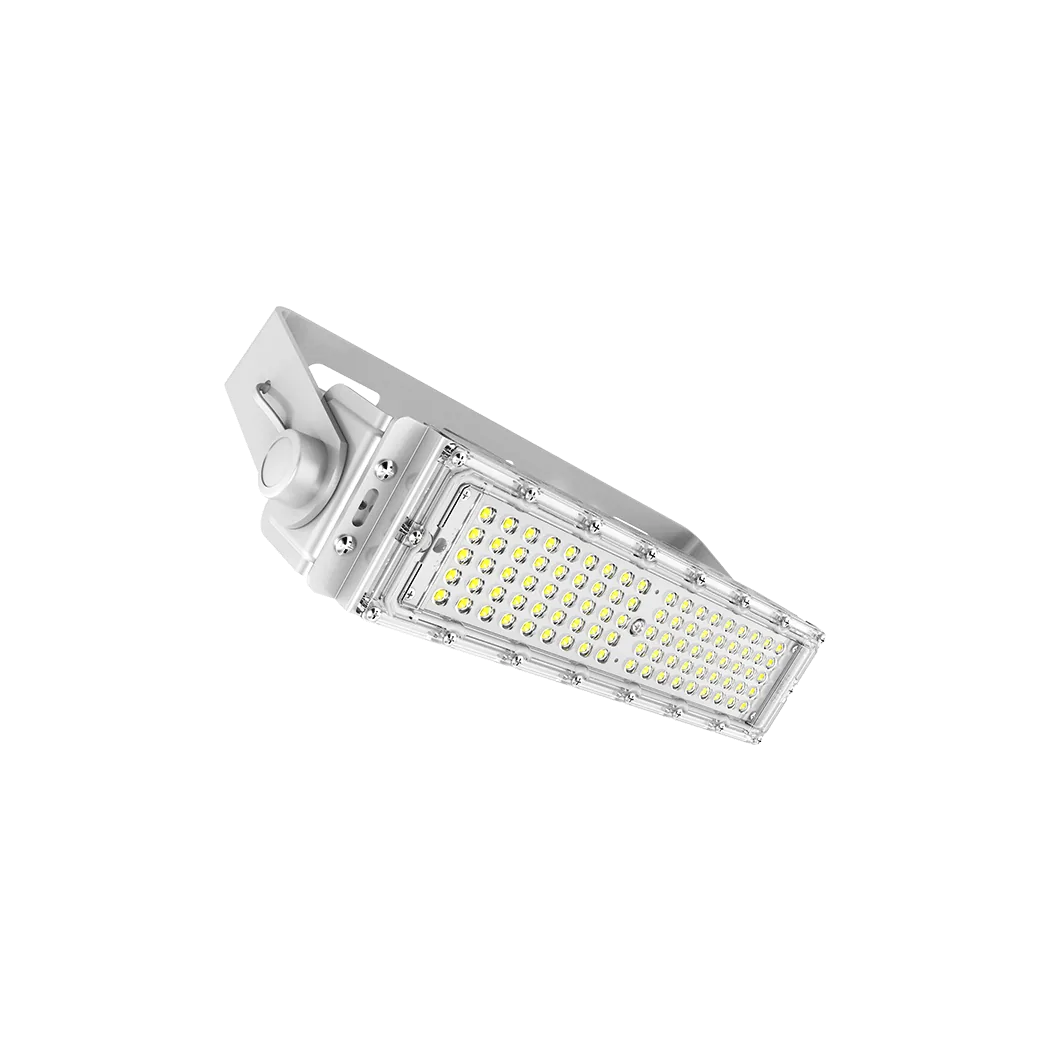 flood-lights
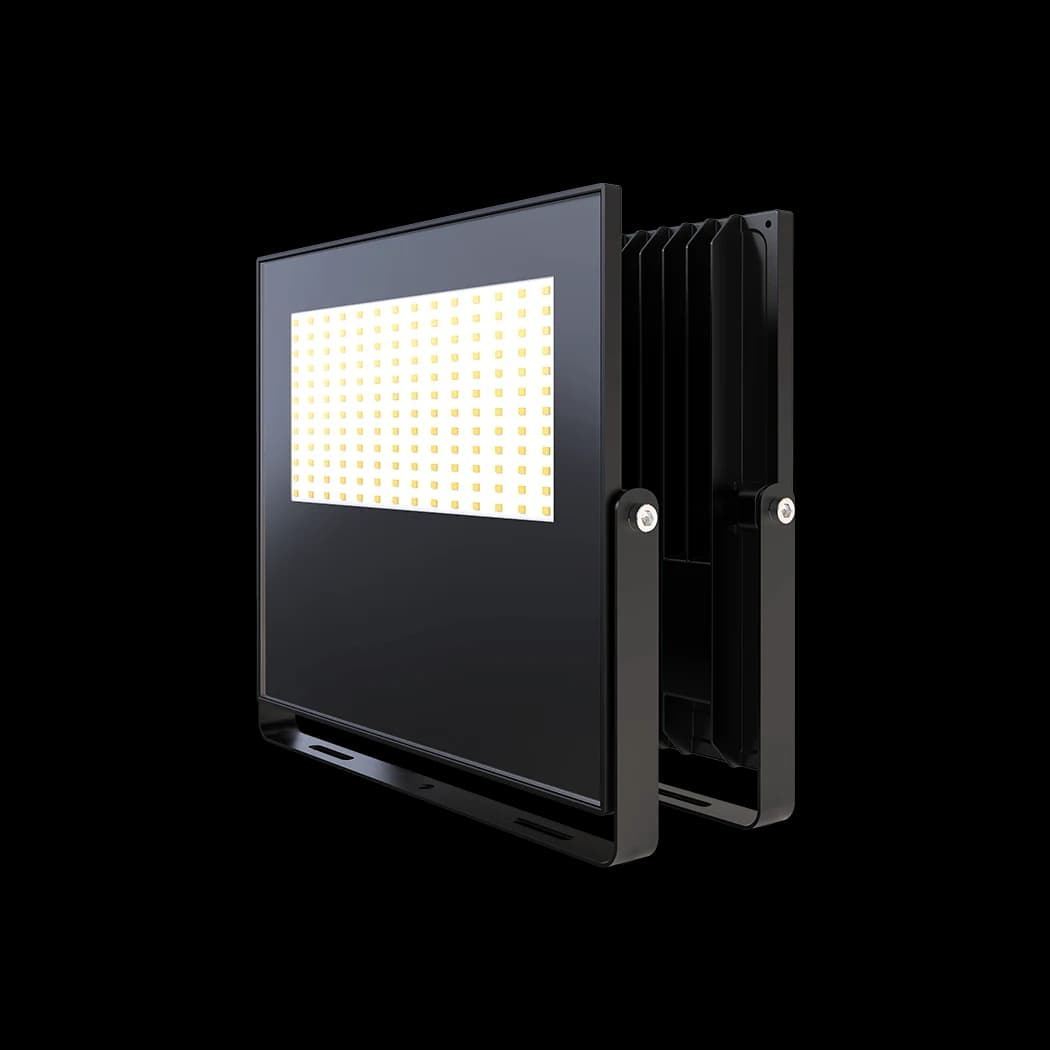 flood-lights
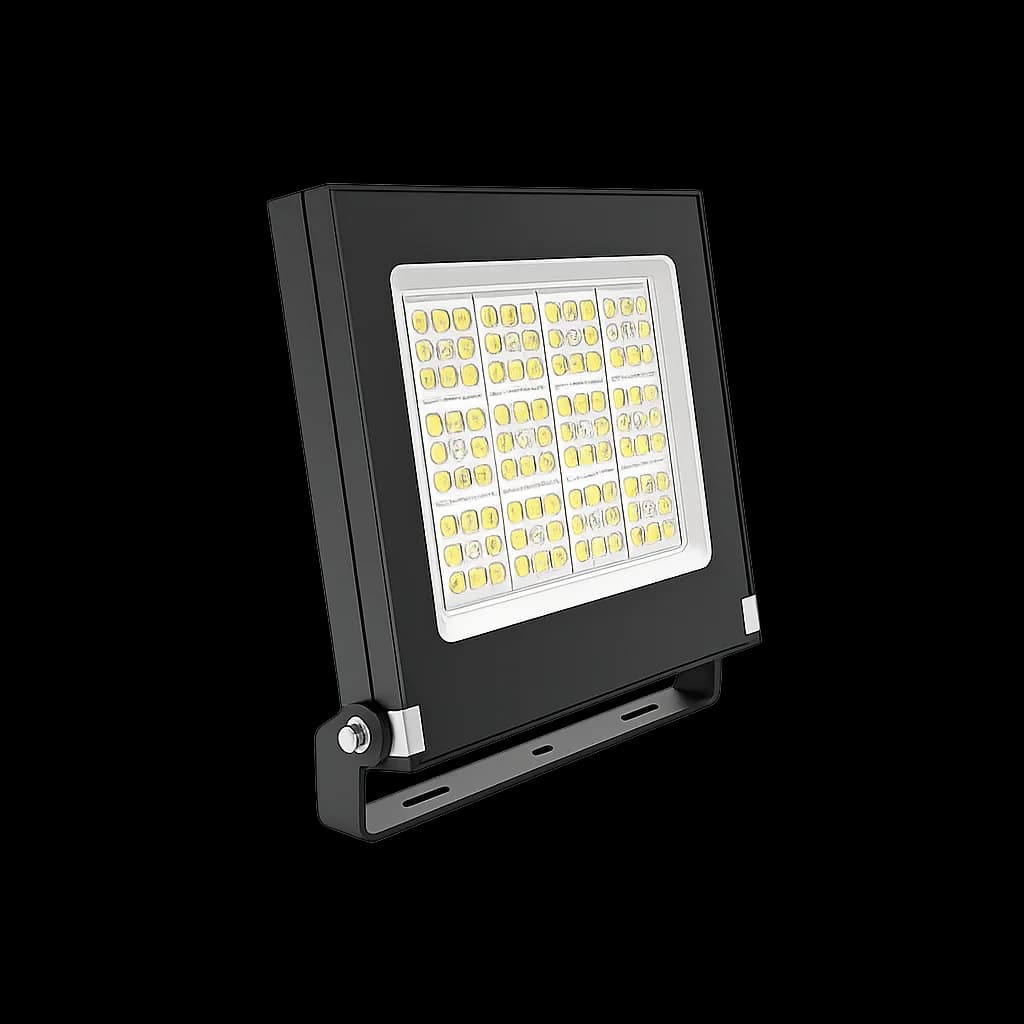 flood-lights
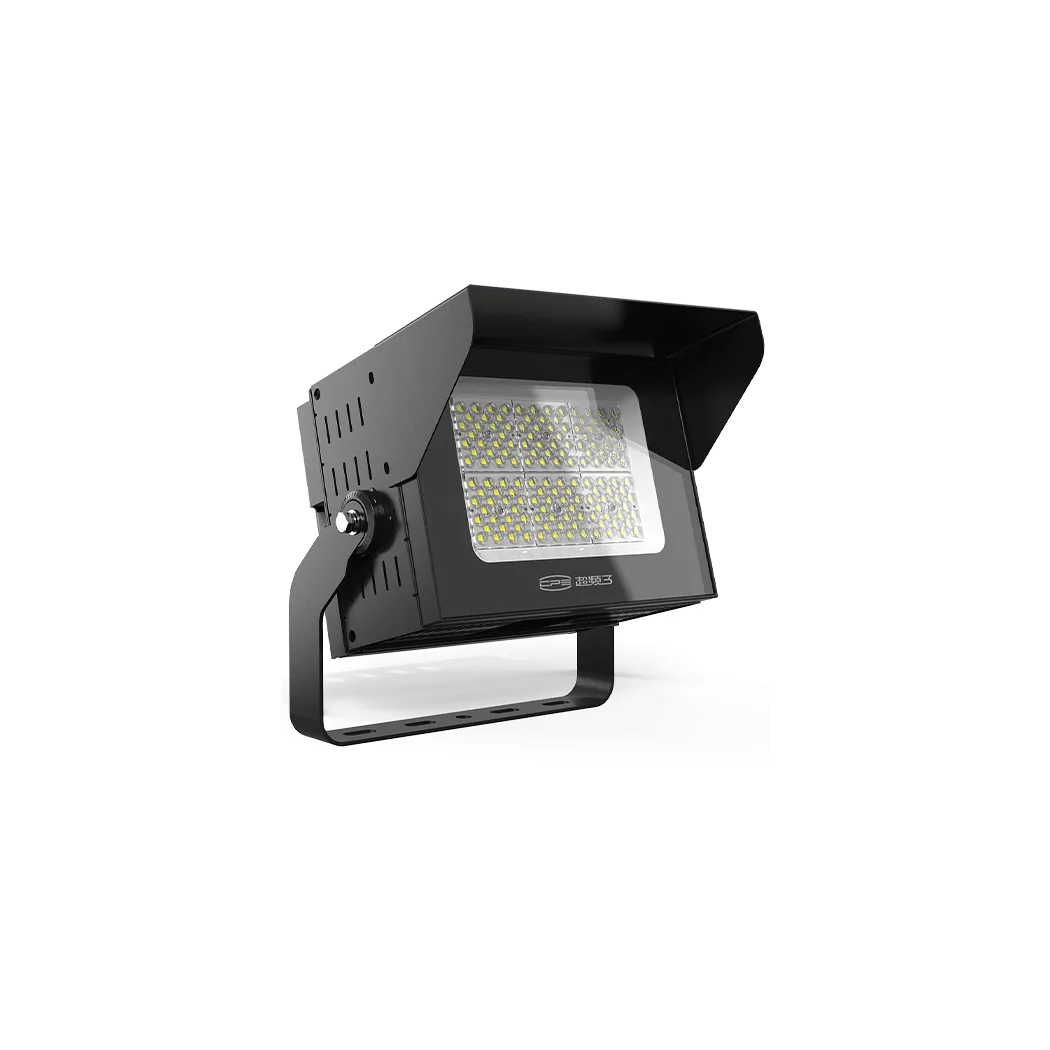 flood-lights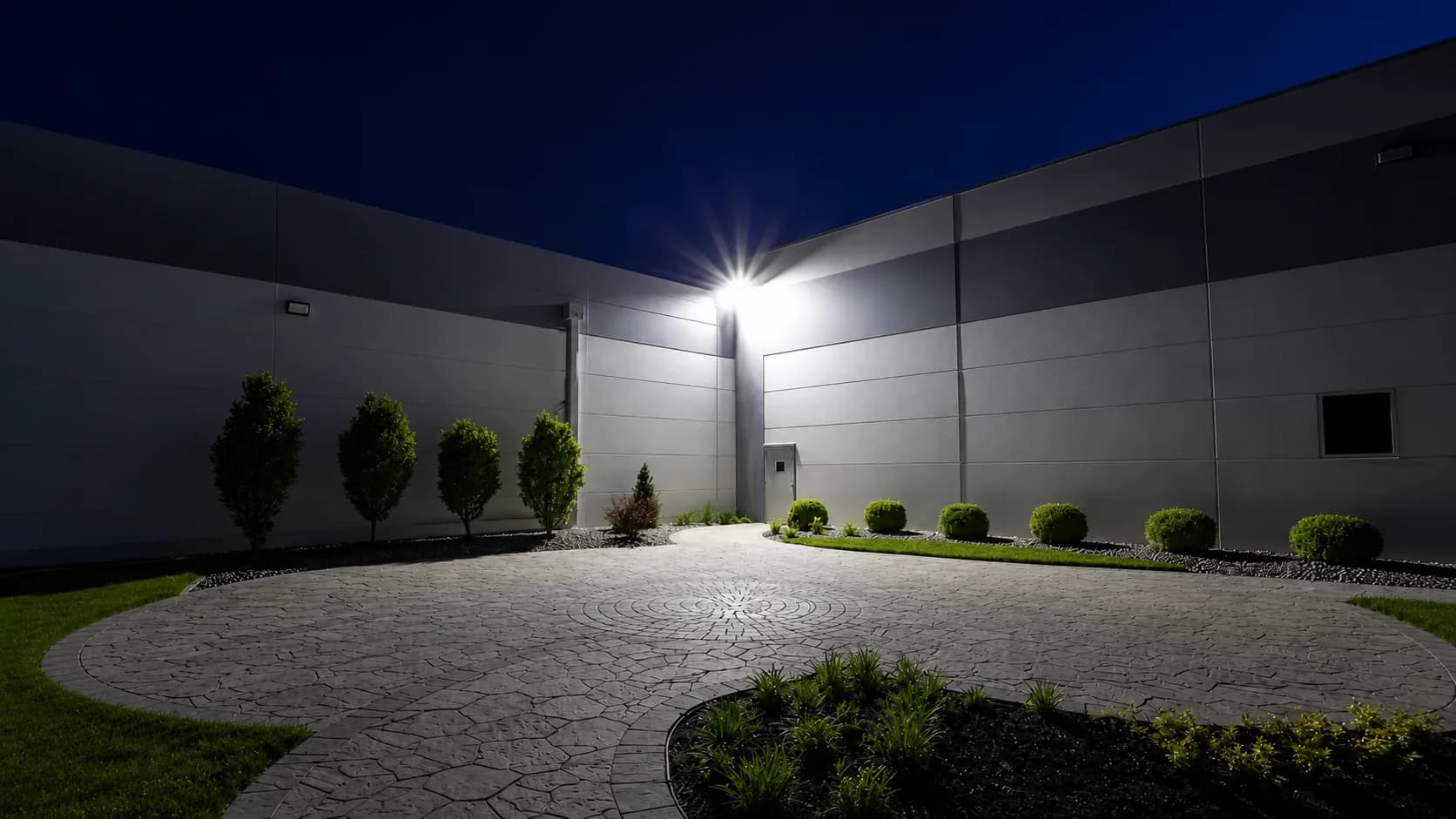
An outdoor-lighting route for large areas where pole positions, aiming, site boundaries and neighbouring users matter as much as fixture output.
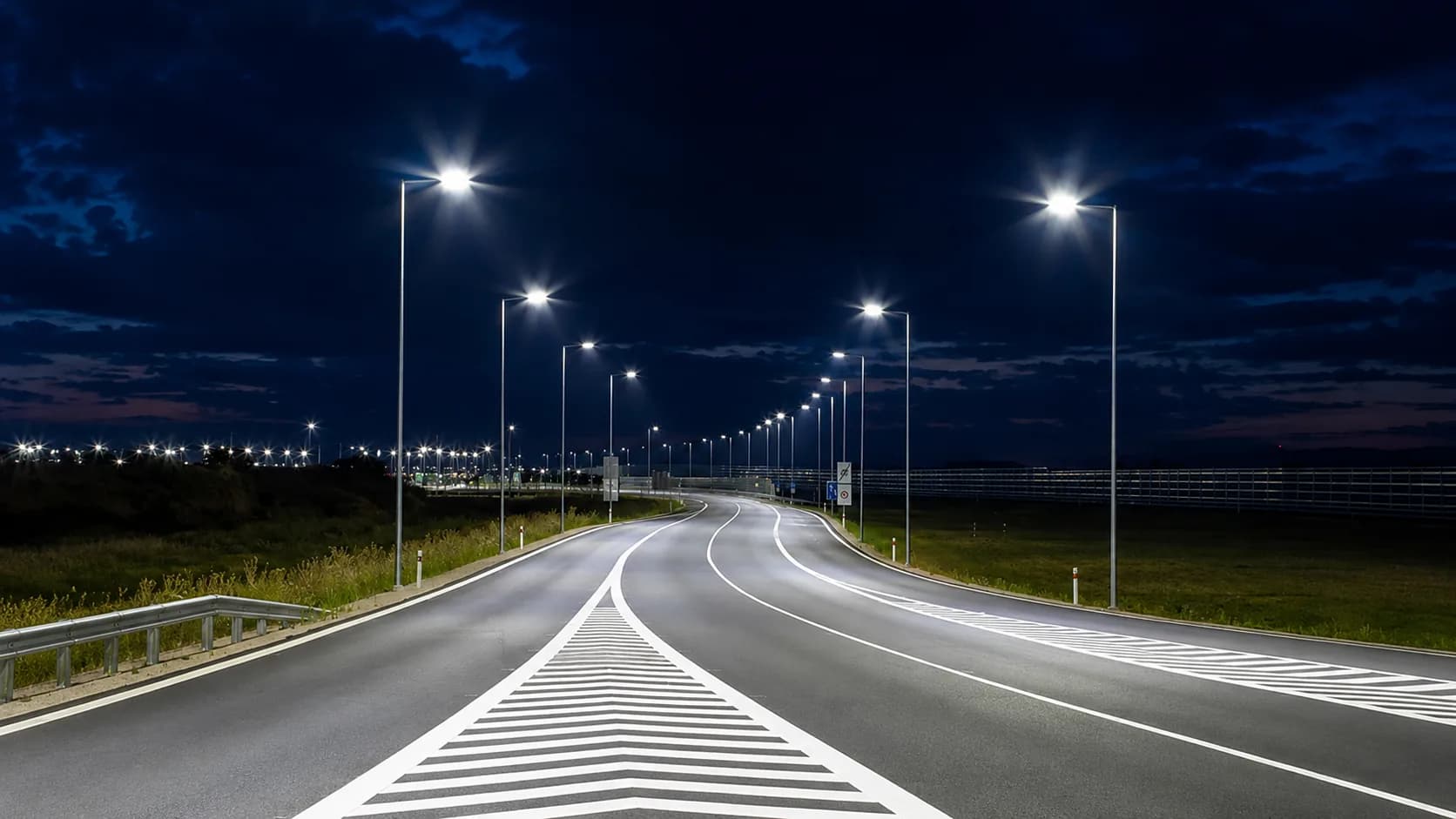
A road-lighting route for public and private infrastructure where classification, pole geometry and optical distribution set the performance of the system.
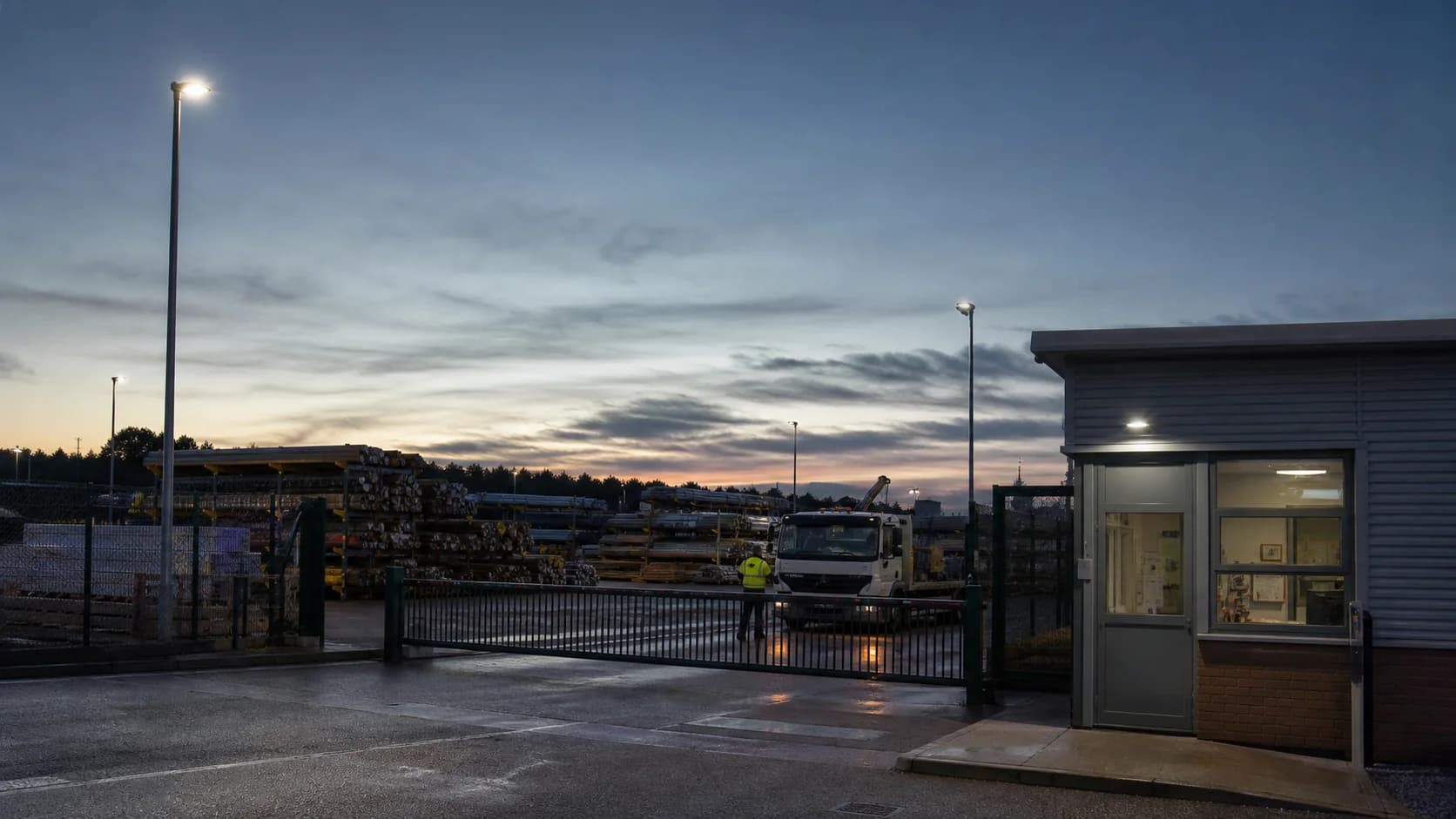
Outdoor industrial lighting that separates loading, circulation, storage and security zones while controlling glare for vehicles and nearby properties.
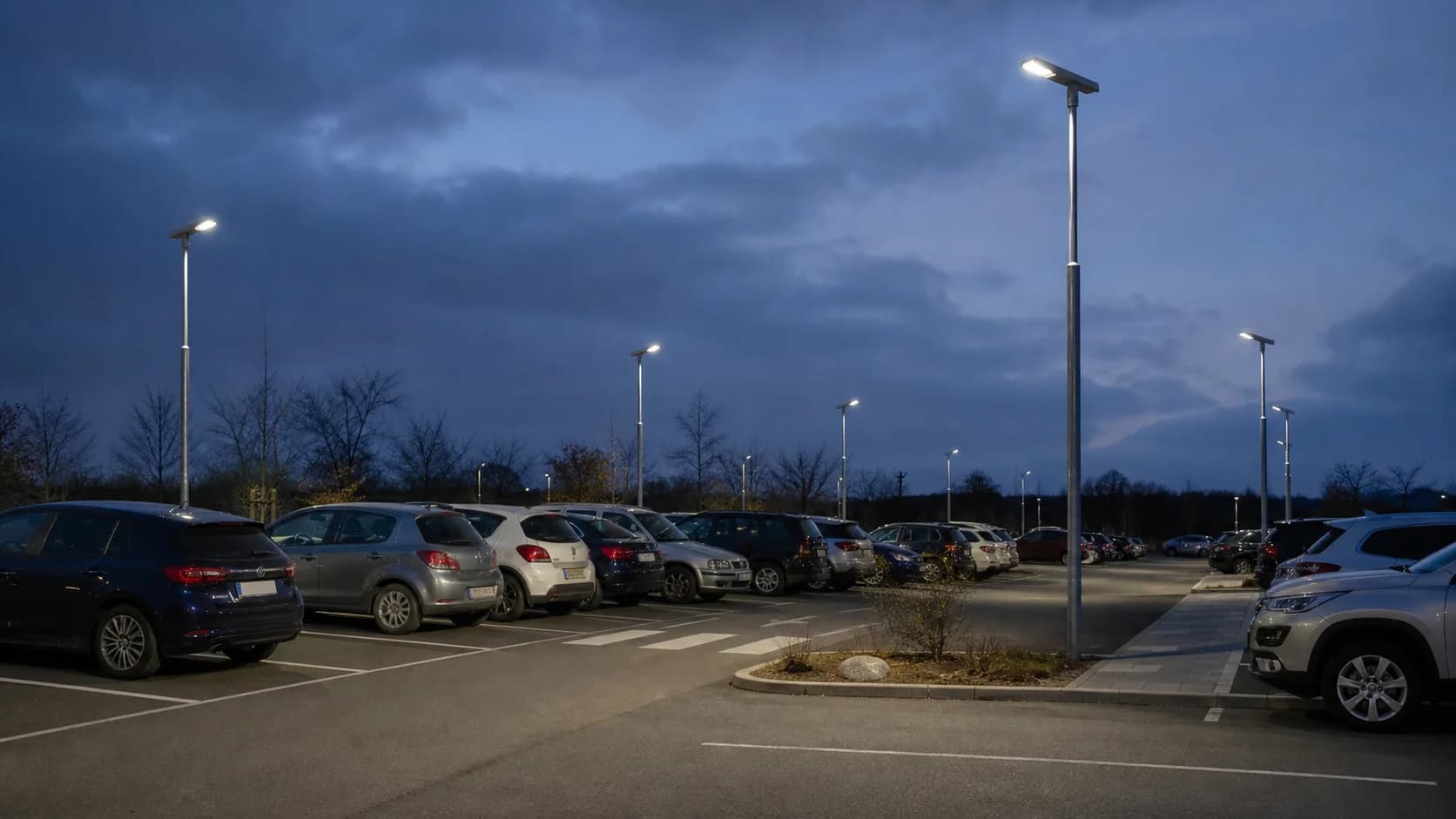
Off-grid parking lighting that coordinates area coverage and pedestrian movement with a solar-and-battery system sized for the operating schedule.
FAQ
Parking-area lighting for vehicle bays, circulation and pedestrian routes, with pole placement and boundary spill considered in one calculation.