
Useful light
The distribution supports providing the required light during the defined nightly operating periods instead of maximising lumens outside the area that matters.
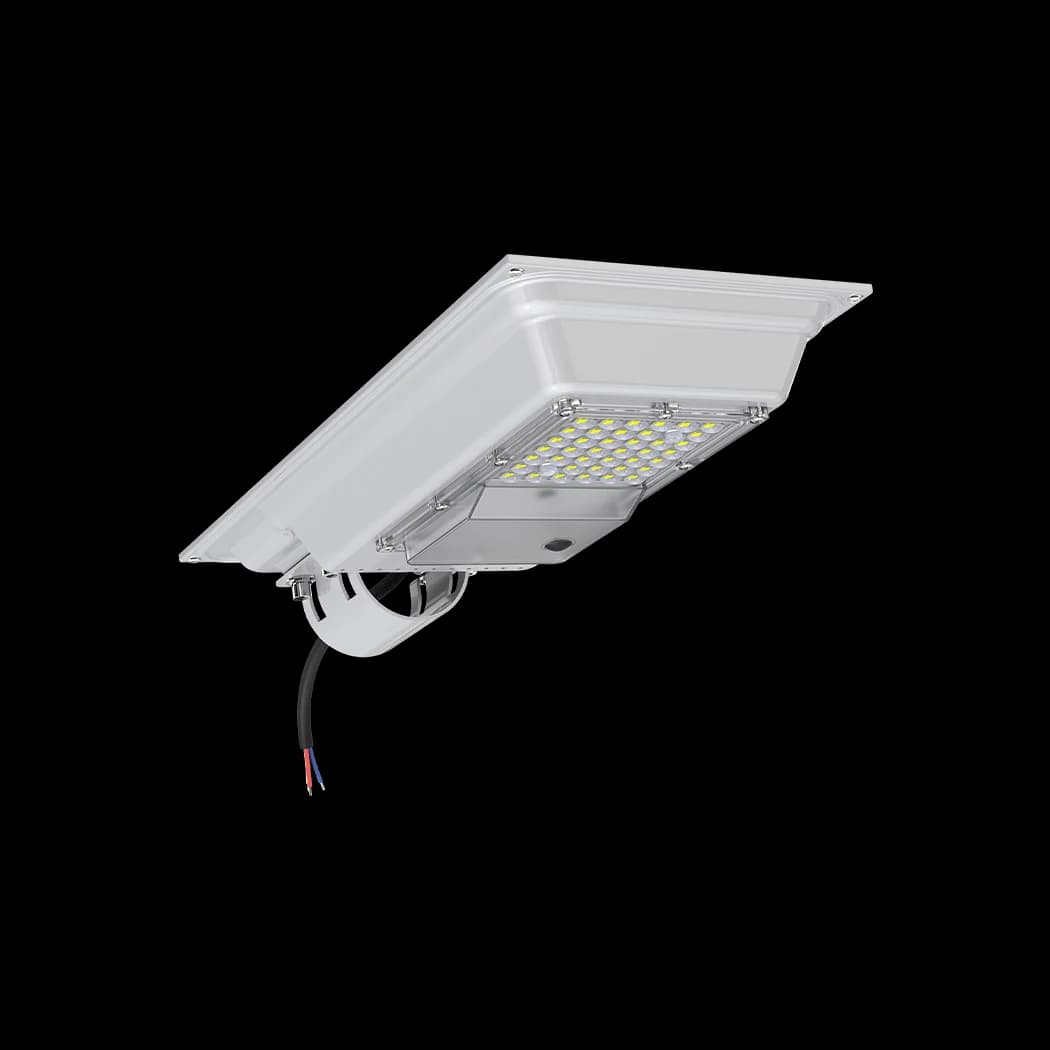
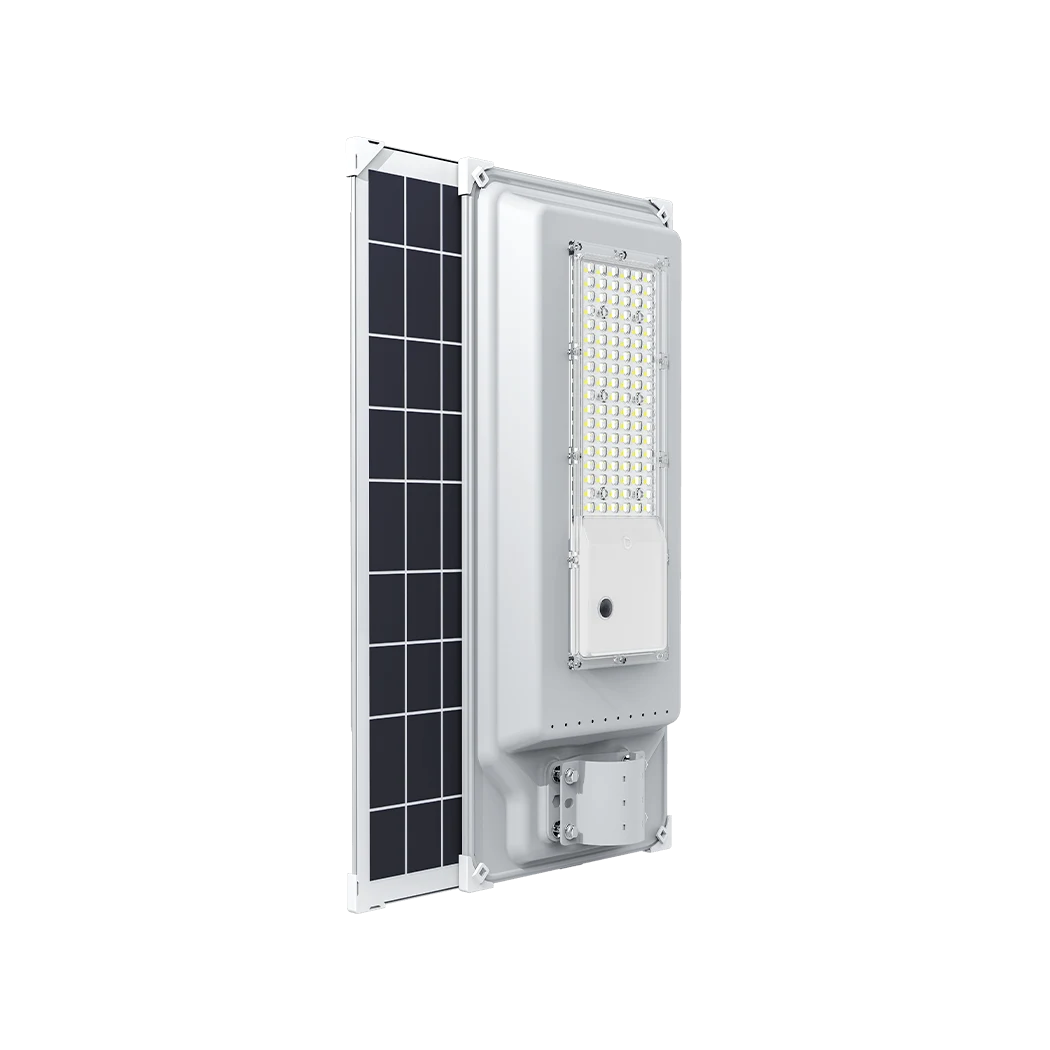
Solar street lighting combines an LED luminaire with photovoltaic generation, energy storage and control. Reliable sizing begins with the darkest operating period and required service profile, not a panel wattage headline.
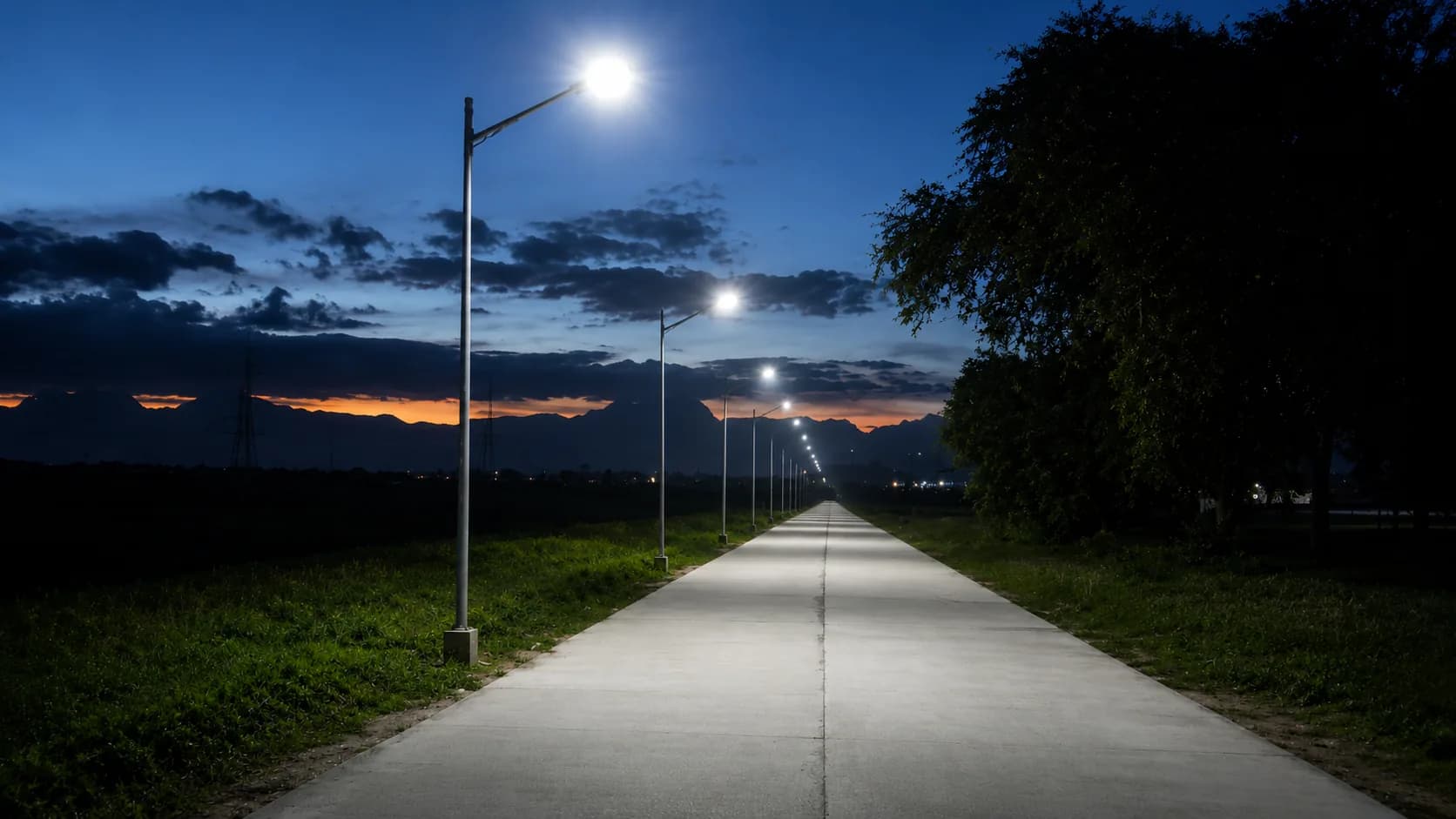
Application pages
Start by confirming the site types that belong on this path and the cases that need a different solution.
Off-grid outdoor lighting
A useful specification balances visual performance, reliability, operating cost and the realities of installation.
The distribution supports providing the required light during the defined nightly operating periods instead of maximising lumens outside the area that matters.
Position, optics and aiming account for users and road users, nearby properties and the practical mounting height of the solar assembly.
Controls, environmental conditions and maintenance access are part of selection rather than an afterthought after pricing.
The result connects targets, visible assumptions, the proposed variant and evidence the project team can check.
Commercial investigation · solar street lighting
These are the decisions that shape fixture selection, photometric work and the final quote assumptions.
| Design criteria | Design approach |
|---|---|
| Project location | Use coordinates or an exact locality because seasonal solar availability and temperature affect generation and storage. |
| Nightly load profile | Define switch-on, full-output periods, dimming stages, motion response and dawn cut-off before sizing energy storage. |
| Required autonomy | Agree reserve days and acceptable service behaviour during poor weather instead of assuming one universal battery size. |
| Shading and orientation | Check horizon, trees, structures, panel direction and tilt for the actual pole position across the relevant seasons. |
| Mechanical and service plan | Wind exposure, pole and foundation, panel area, battery access and replacement strategy must work as one system. |
Design criteria
Use these comparisons to narrow the system direction before choosing an individual model.
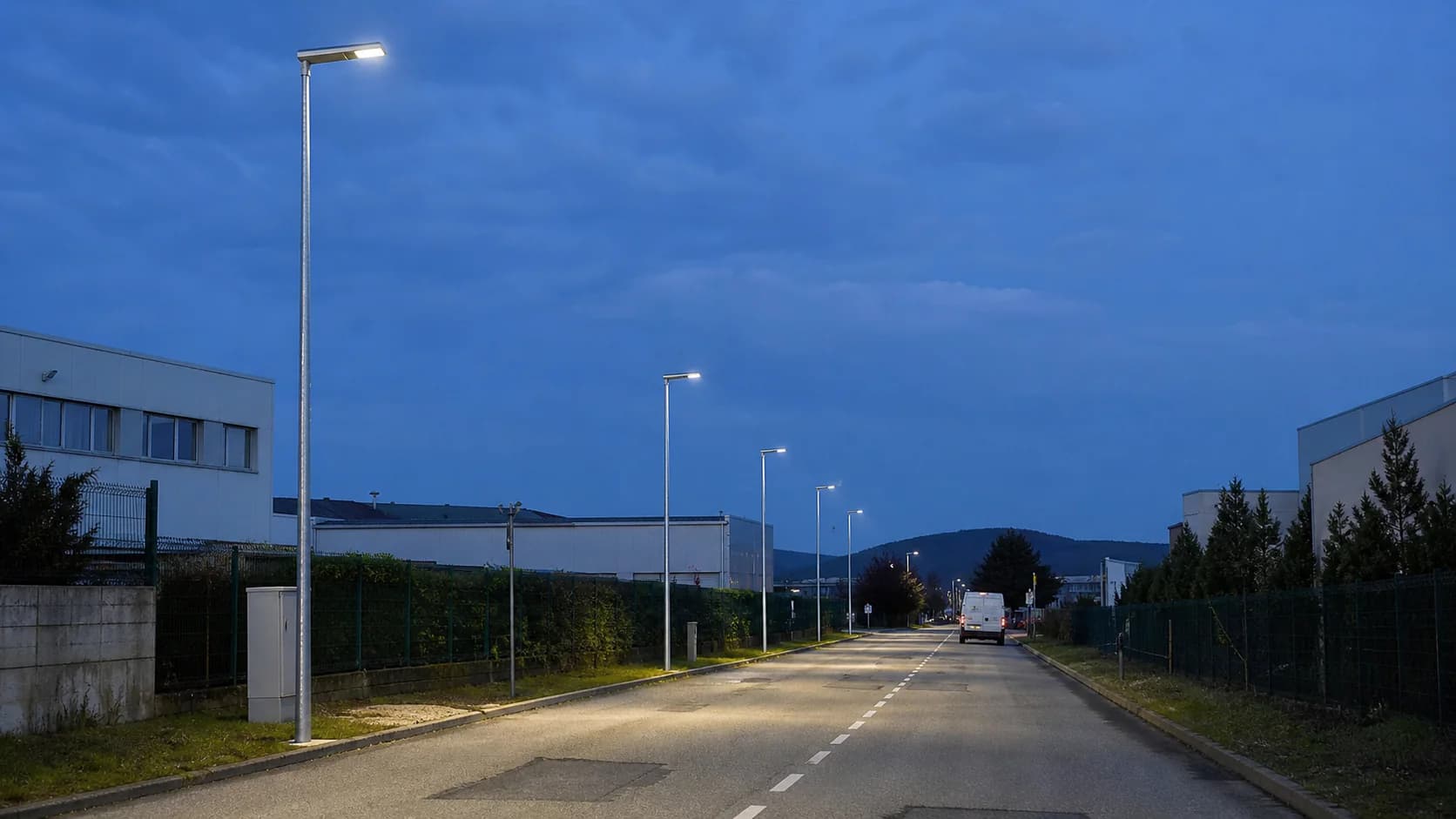
Design criteria
Applicable targets depend on the country, site and project class. Final compliance must be checked against the current project brief and calculation.
Explore the solution family
Published DinaLED models are shown only where the current product data supports this application direction.
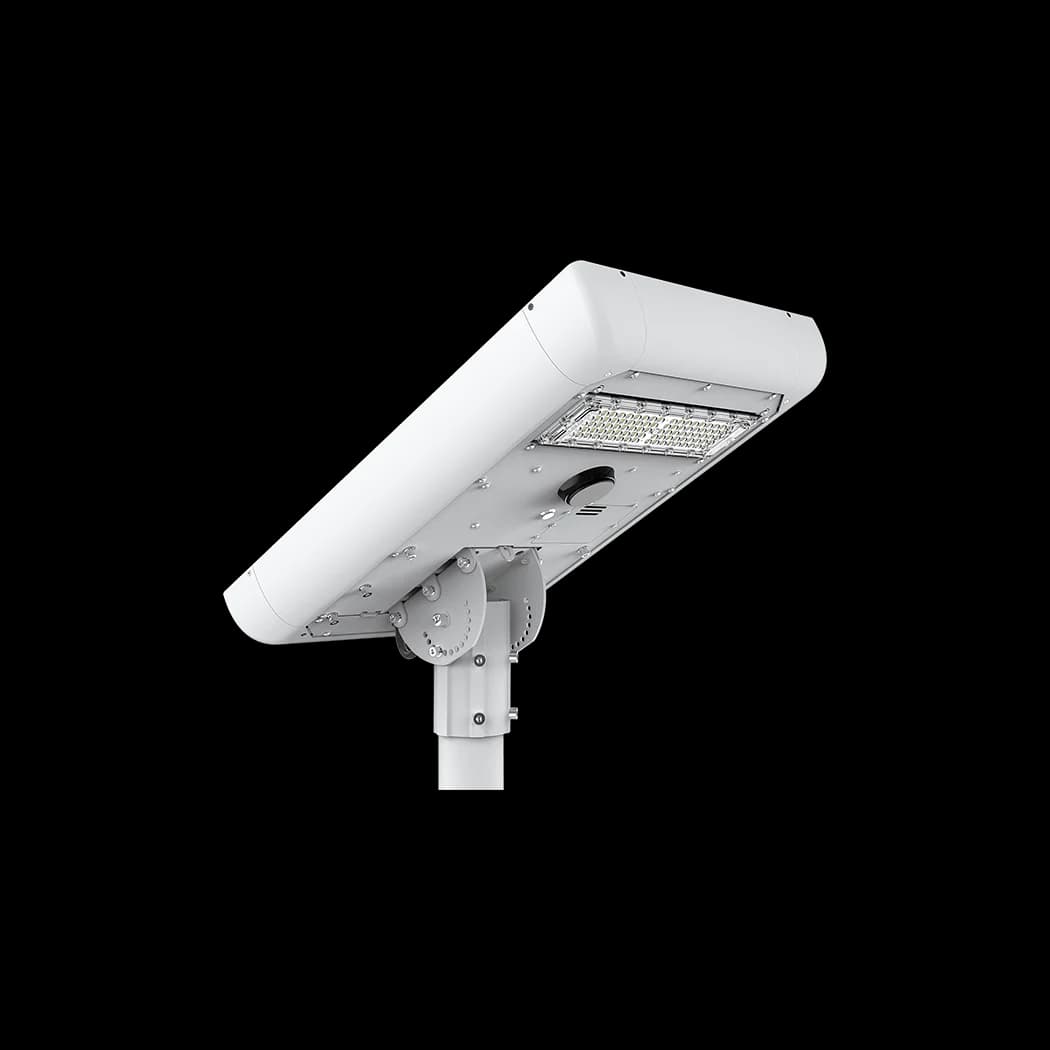 solar-street-lights
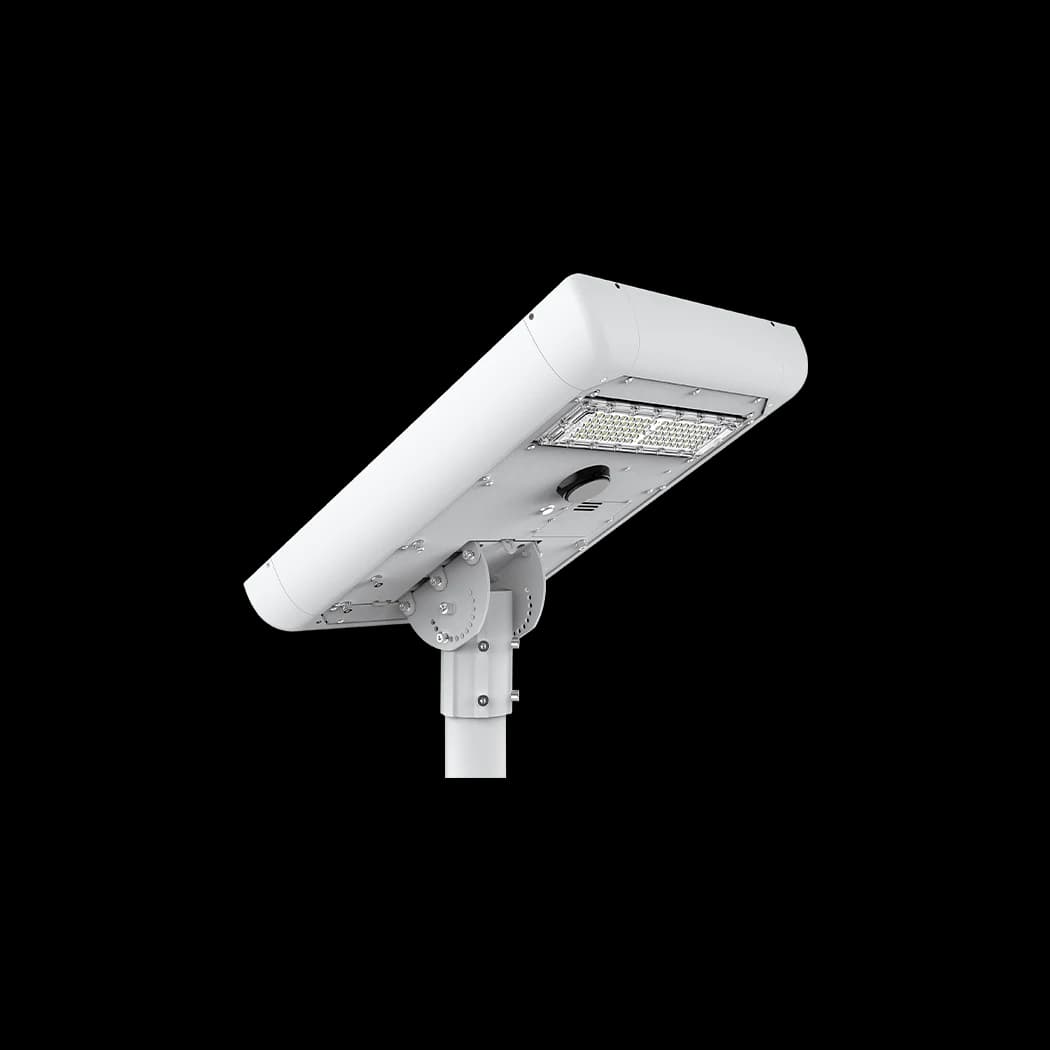 solar-street-lights
 solar-street-lights
 solar-street-lights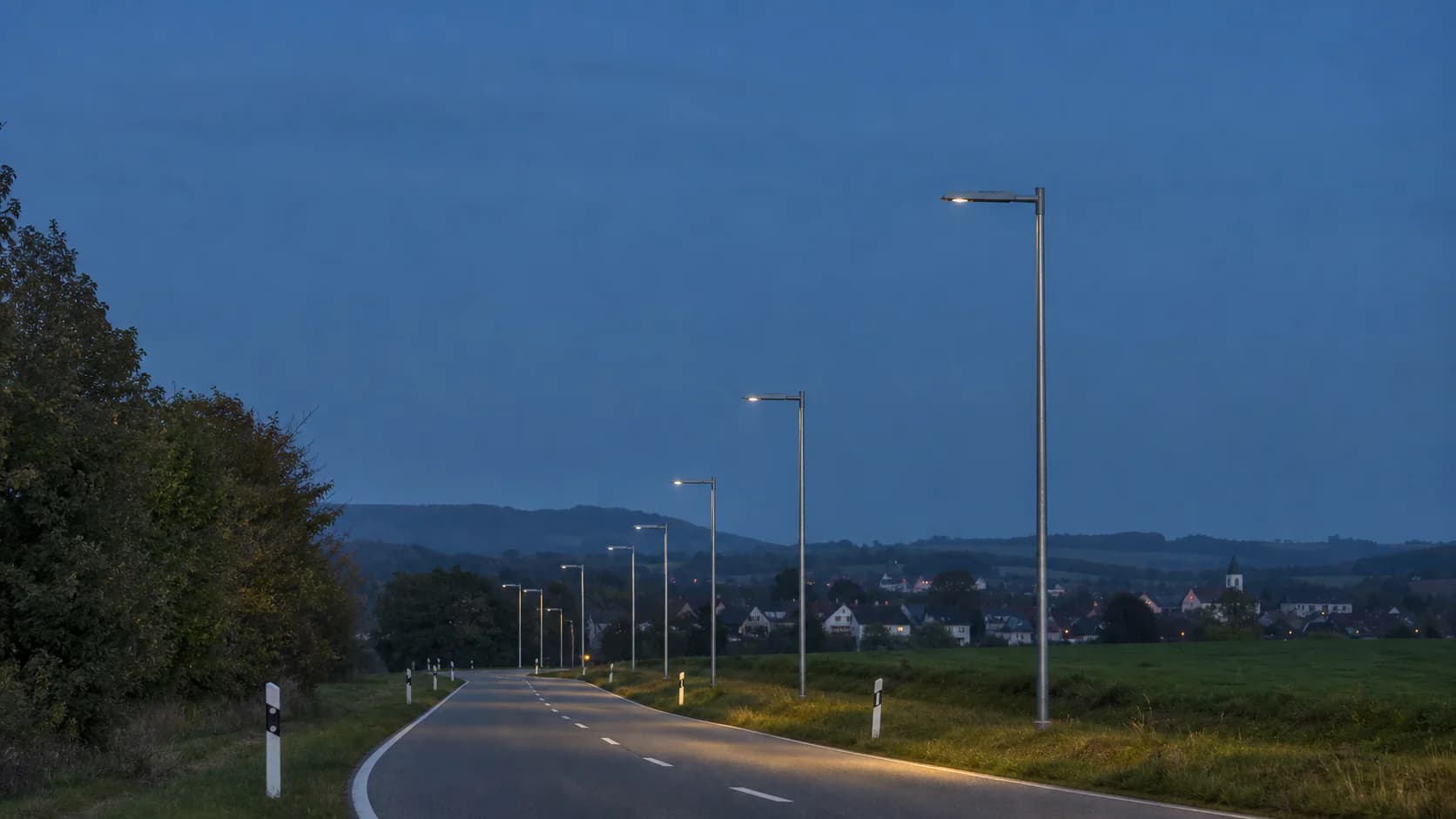
Road lighting for sites without practical grid access, sized from road performance and the location-specific winter energy balance.
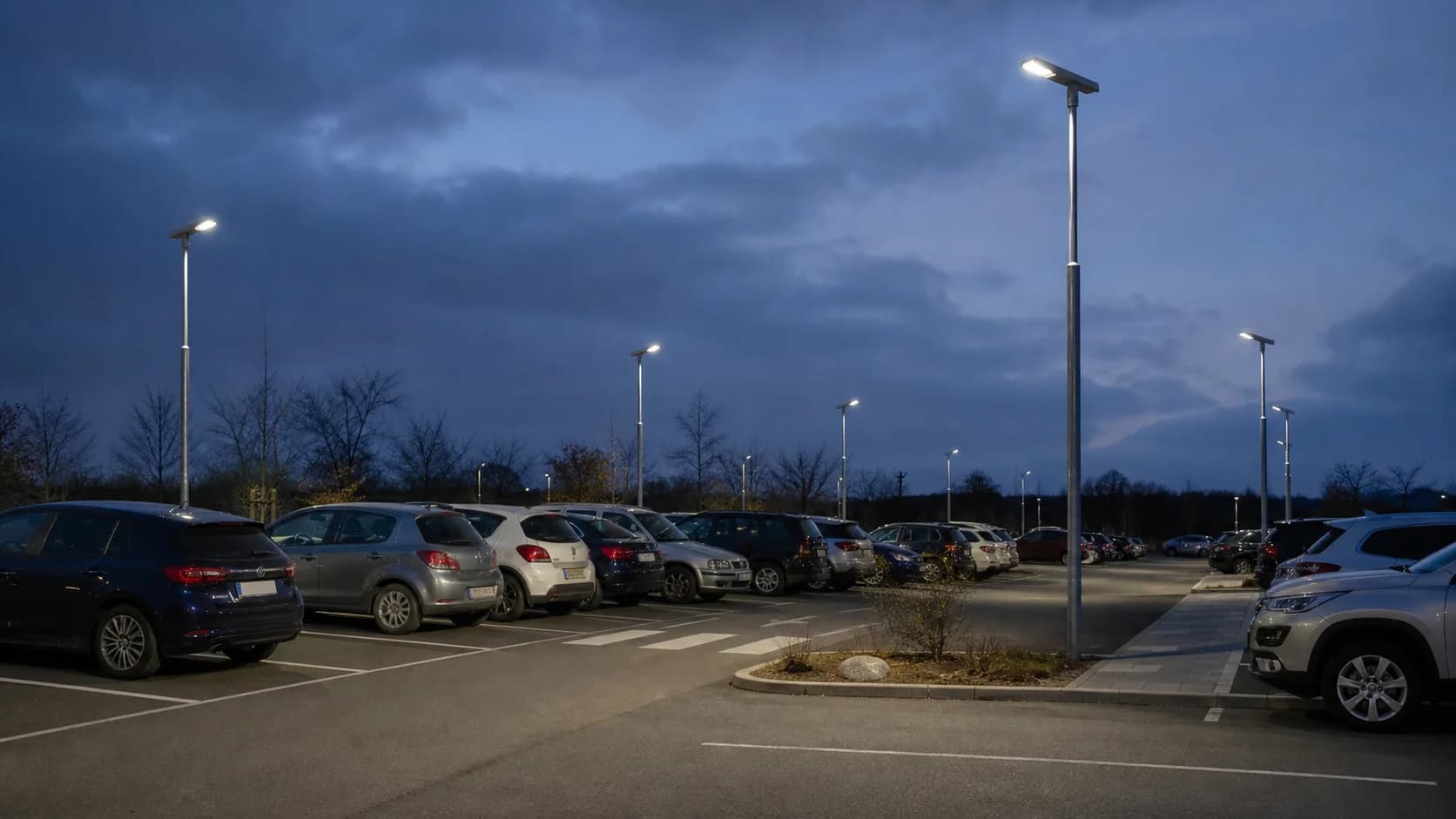
Off-grid parking lighting that coordinates area coverage and pedestrian movement with a solar-and-battery system sized for the operating schedule.
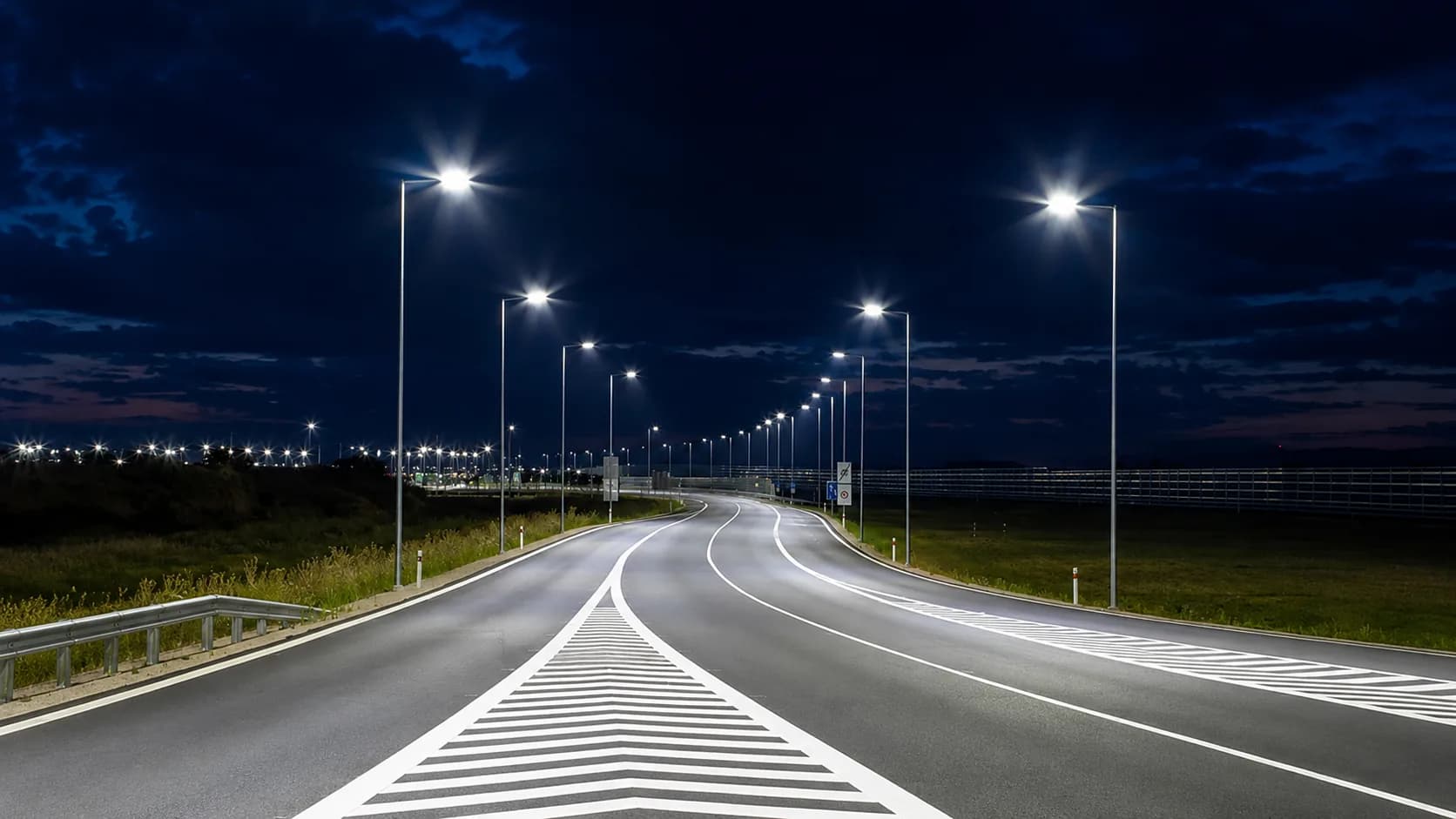
A road-lighting route for public and private infrastructure where classification, pole geometry and optical distribution set the performance of the system.
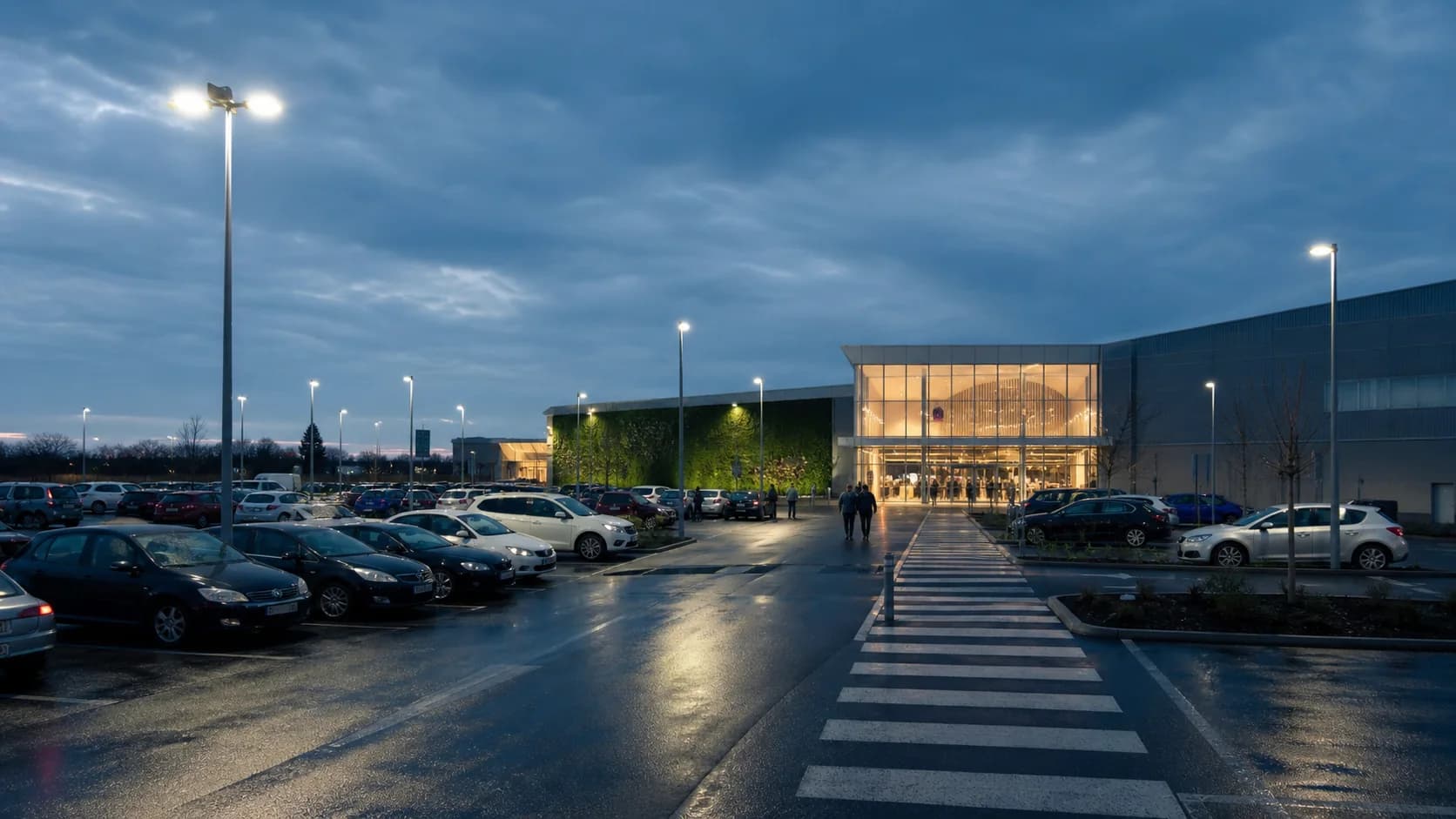
Parking-area lighting for vehicle bays, circulation and pedestrian routes, with pole placement and boundary spill considered in one calculation.
FAQ
An off-grid lighting route that treats the solar module, battery, controller, luminaire, structure and operating profile as one location-specific system.